
Quick answer
Lascar volcano altitude sits at 5,592 meters (18,346 feet) above sea level at the summit. The trailhead near Talabre starts at approximately 4,200 meters, meaning climbers ascend roughly 1,400 vertical meters through progressively thinner air. At this elevation, oxygen availability drops to roughly 50 percent of sea-level concentrations, requiring acclimatization and careful pacing.
Lascar volcano altitude places the summit at 5,592 meters above sea level, a height where atmospheric pressure and oxygen availability create immediate physiological stress. The crater rim sits in the hypobaric zone, where every step demands more effort and every breath delivers less oxygen than the body expects. Most climbers report feeling the effects above 4,500 meters, and symptoms intensify as the route gains elevation toward the active fumaroles near the top. The approach begins near the village of Talabre at roughly 4,200 meters, already high enough to trigger mild altitude symptoms in unacclimatized individuals. The route climbs steadily across volcanic scree and hardened lava flows, with the steepest sections appearing in the final 300 vertical meters. Wind exposure increases with height, and the summit plateau offers no shelter from the gusts that sweep across the Andean altiplano. Cold air at elevation can push wind chill well below freezing even on clear days. Acclimatization is not optional. Most guided itineraries include at least two nights at intermediate elevations between 3,000 and 4,000 meters before attempting the ascent. The body adapts by increasing red blood cell production and respiratory rate, but the process requires time. Rapid ascent from sea level to the trailhead frequently results in acute mountain sickness, characterized by headache, nausea, and fatigue. Severe cases can progress to high-altitude pulmonary edema or cerebral edema, both of which require immediate descent. The summit's height above sea level also affects weather, visibility, and timing. Morning departures between seven and ten allow climbers to reach the top before afternoon thermal winds develop. The thin atmosphere provides less thermal buffering, so temperature swings between sun and shade are pronounced. Navigation above 5,000 meters becomes more difficult as hypoxia impairs judgment and spatial awareness, making route familiarity and guide experience critical safety factors.
“At 5,592 meters, atmospheric pressure drops to roughly half of sea level, and acclimatization shifts from optional to mandatory.”
Understanding the Lascar Volcano Altitude and Summit Elevation
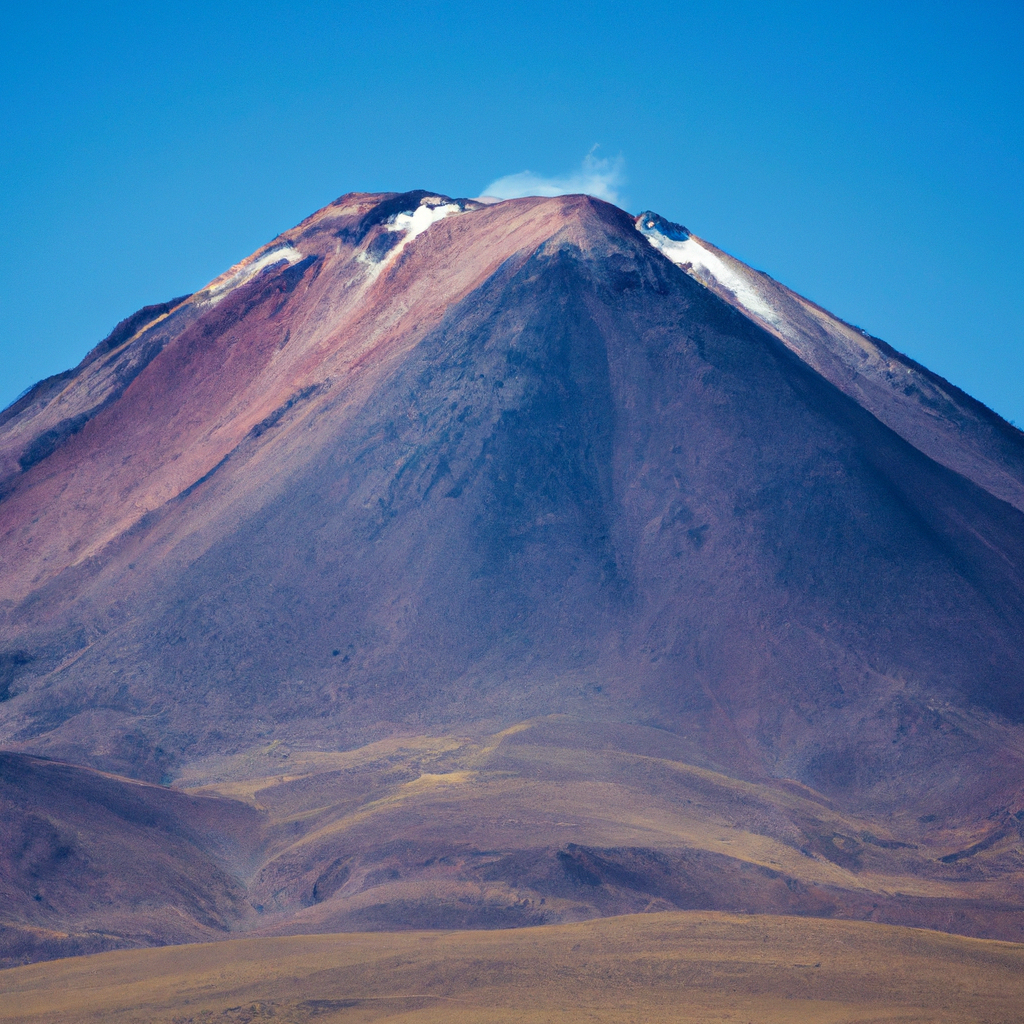
Lascar Volcano reaches a summit elevation of 5,592 meters above sea level, making it one of the most active volcanoes in the Chilean Andes. Its extreme altitude significantly influences both the volcanic activity and the surrounding high-desert environment.
The highest point of Lascar reaches 5,592 meters, placing it well within the high-altitude zone that requires careful physical acclimatization. This elevation contributes to the stark, arid landscape characteristic of the Antofagasta Region.
Active crater complex
The volcano features a double crater system where the eastern, active crater is the primary source of degassing and minor eruptions. Monitoring this feature is essential due to its history of sporadic volcanic activity.
Oxygen density reduction
At this altitude, oxygen levels are significantly lower than at sea level, which affects how visitors process physical exertion. Proper preparation for reduced air density is necessary when planning to reach the summit area.
Volcanic arc location
Lascar sits within the Central Volcanic Zone of the Andes, a segment of the mountain range defined by high plateaus and intense tectonic activity. Its position at this altitude allows for a wide-ranging view of the surrounding volcanic chain.
Temperature fluctuations
The combination of high altitude and desert location leads to extreme temperature variations between day and night. Even during sunny conditions, the thin atmosphere provides little protection against rapid cooling.
Persistent gas emissions
Best Time to Experience Lascar Volcano Altitude Views
The best arrival window for Lascar Volcano is 07:00–10:00. This timeframe provides optimal lighting and weather conditions for high-altitude visibility and safety.
Spring (September–November)
Low to moderateClear skies, 0°C to 15°C. Stable weather conditions facilitate safer ascents.
Summer (December–March)
ModeratePotential for afternoon clouds, 5°C to 20°C. Increased risk of rapid weather changes at higher altitudes.
Autumn (April–June)
LowCrisp air, -5°C to 12°C. Excellent visibility, though wind speeds can increase significantly.
Winter (July–August)
LowCold, -10°C to 8°C. Frequent snow may impact access and require technical gear.
Verdict: The best time to experience Lascar Volcano is between 07:00 and 10:00 during the months of April or October when weather conditions are most stable.
Directions to Lascar Volcano Altitude and Trailheads
Lascar Volcano is located near the village of Talabre in the Antofagasta Region of Chile. Access is primarily achieved by private vehicle or organized transport due to the remote desert location and high-altitude terrain.
Route B-245 toward Talabre from San Pedro de Atacama
4x4 vehicle to the volcanic base parking area
Established trail from the base to the crater rim
Preparation Checklist for High Lascar Volcano Altitude Hikes
High-altitude trekking at 5,592 meters requires careful preparation to ensure safety and acclimatization.
-
Acclimatize in San Pedro for 2–3 days — Arriving at Lascar's 5,592 m summit without adjustment risks severe altitude sickness.
-
Pack thermal layers and windproof outerwear — Summit temperatures drop below freezing, and winds intensify exposure at altitude.
-
Bring 3–4 liters of water per person — Dehydration accelerates at high elevation and exacerbates altitude symptoms.
-
Carry sunscreen (SPF 50+) and UV-blocking sunglasses — UV radiation is 30–40% stronger at this altitude with no shade available.
-
Include a headlamp with spare batteries — Early starts in darkness and potential delays require reliable lighting.
-
Prepare the 10,000 CLP conservation fee in cash — The per-person community fee is collected on-site and card payment is unavailable.
Check availability
Frequently asked questions about lascar volcano altitude
Everything you need to know about lascar volcano altitude